

Sinus lift
Bone grafting under the sinus to place implants in the back of the upper jaw.
Duration
45 to 75 minutes
Anaesthesia
Advanced local anaesthesia or sedation
Hospital stay
Day case
Recovery
Bone maturation over 4 to 6 months
Losing upper premolars or molars inevitably leads to loss of bone height, often accentuated by the natural expansion of the maxillary sinus (sinus pneumatisation).
When there is not enough bone volume to anchor a dental implant securely and lastingly, a sinus lift, or sinus floor elevation, is the procedure of choice: the sinus lining is gently lifted and the space created is filled with a reconstruction material.
As a maxillofacial surgeon, Dr Yousefpour brings in-depth command of sinus anatomy, the airways and advanced grafting techniques to ensure a safe, predictable and comfortable procedure.
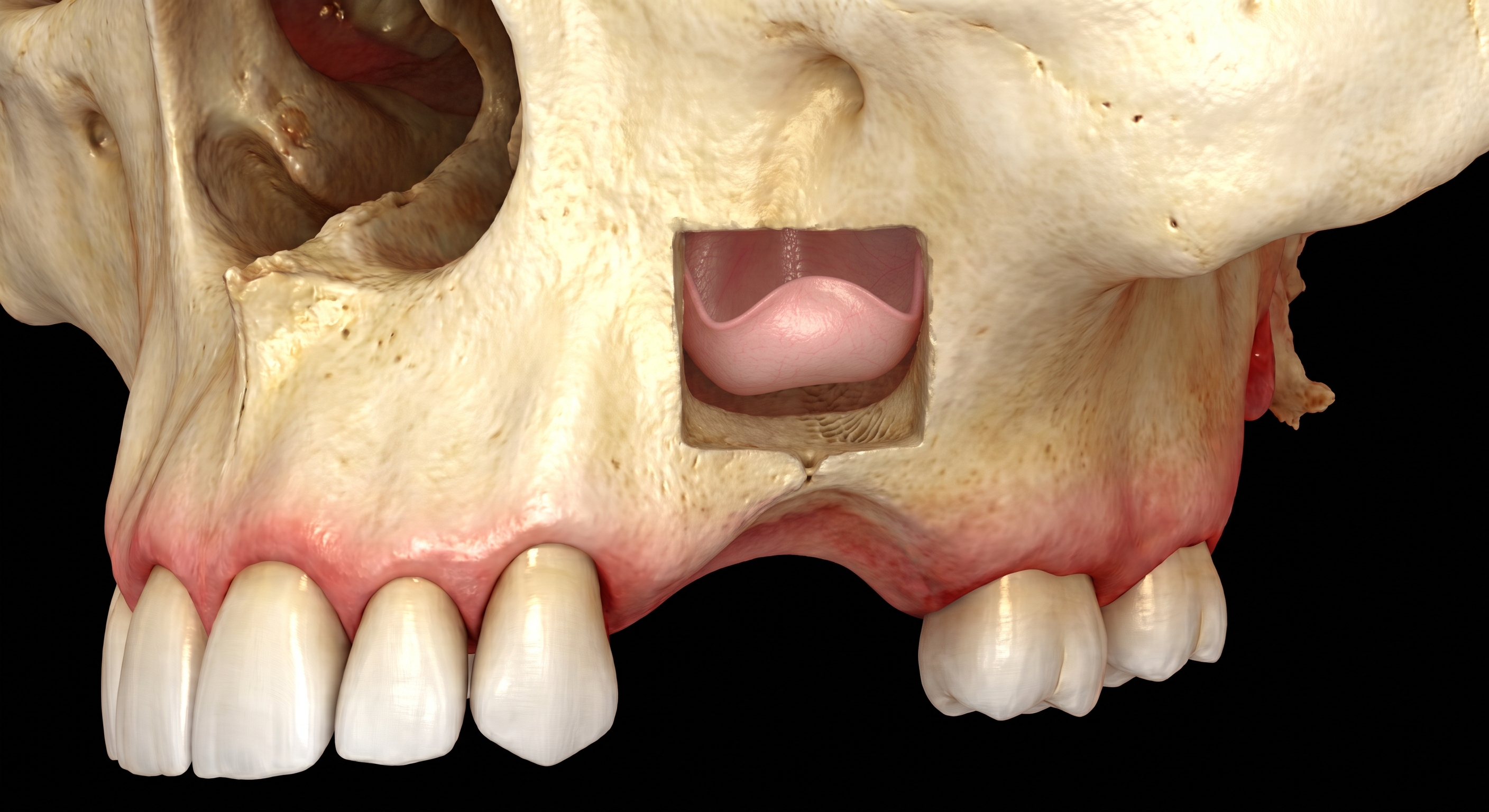
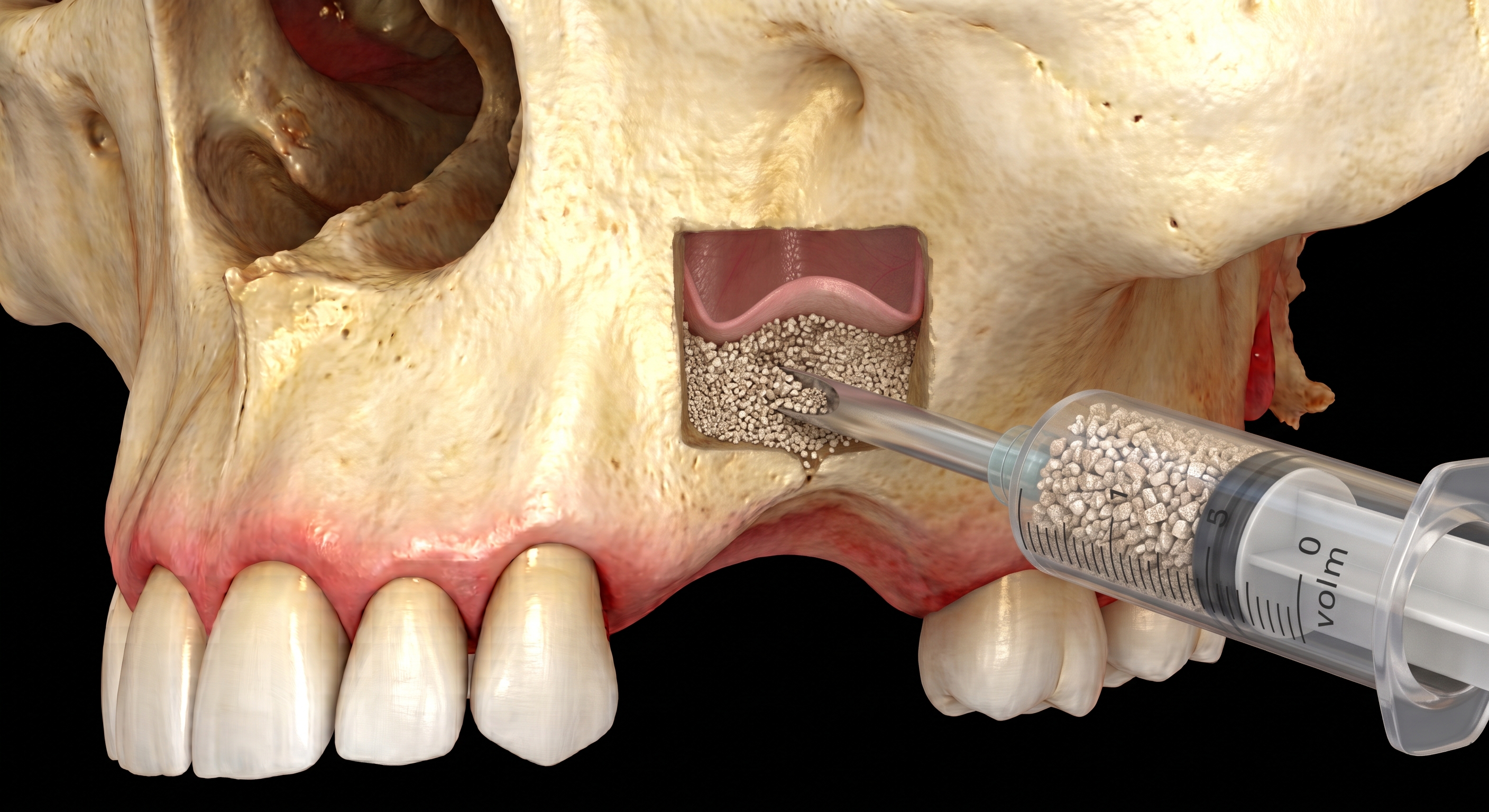
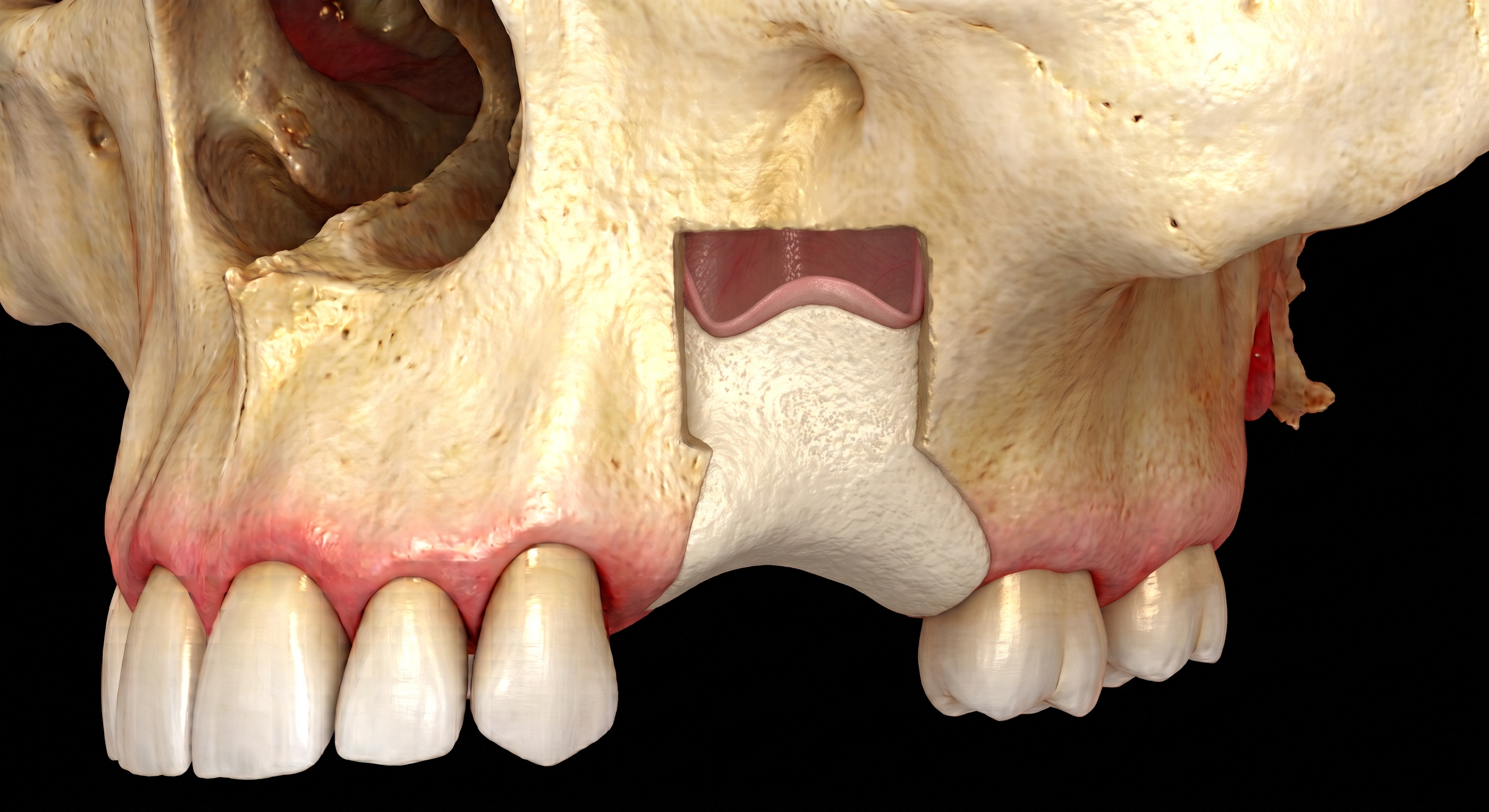
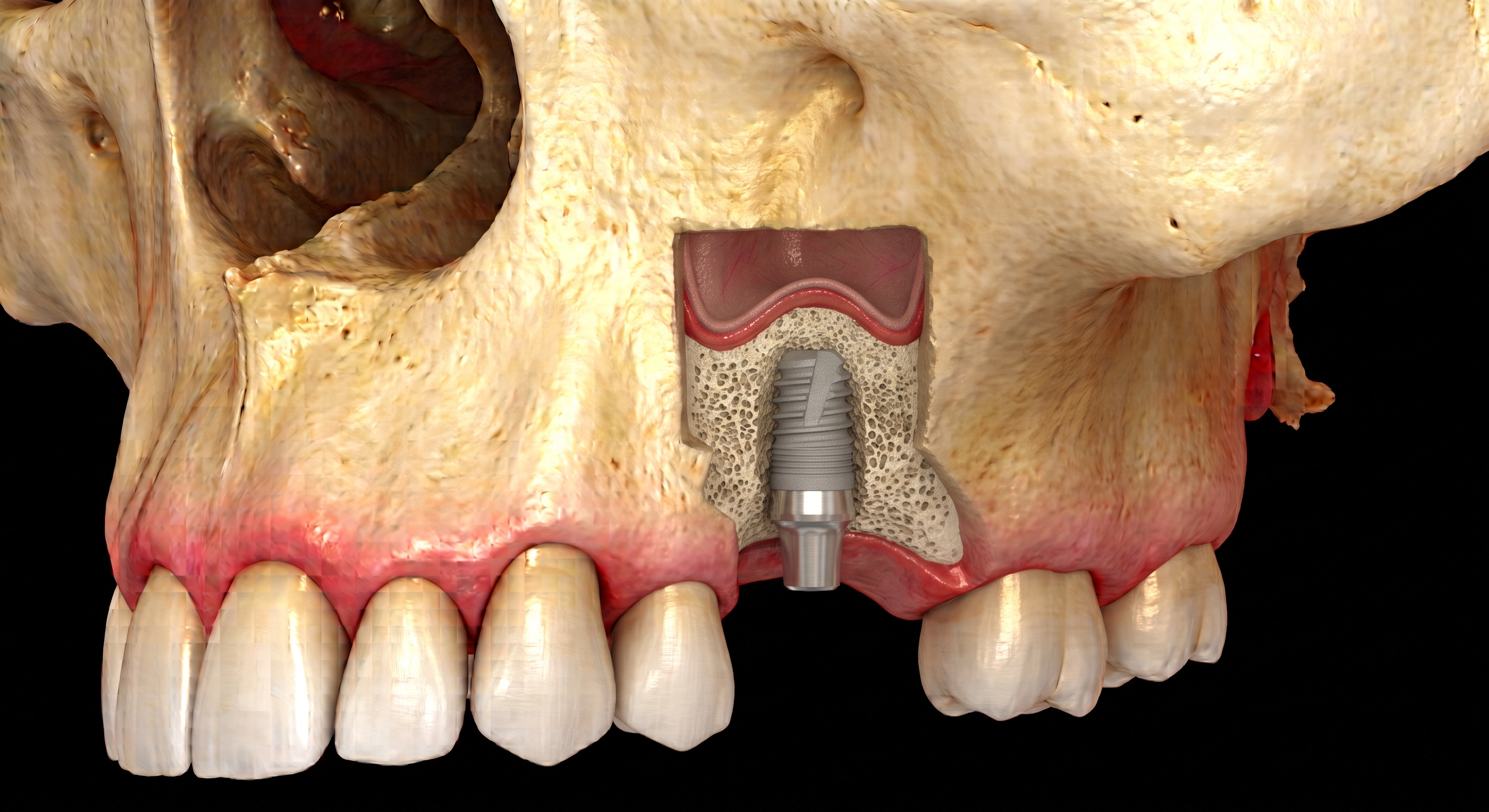
The protocol, step by step.
- Step 1
Consultation and 3D assessment
CBCT analysis, implant feasibility study and a tailored treatment plan.
- Step 2
Surgery
Performed calmly with pre-planned pain relief (duration: 45 to 75 minutes).
- Step 3
Maturation phase
A natural integration period of 4 to 6 months that turns the biomaterial into solid living bone.
- Step 4
Implant and crown
Your dentist fits the permanent crown on a perfectly stable bone foundation.
Why entrust your sinus lift to Dr Yousefpour?
Complete anatomical and ENT command: overall assessment of sinus patency, the middle meatus and anatomical variations (Underwood’s septa).
Precision digital technology: advanced 3D planning with cone beam CT (CBCT) and guided surgery for millimetre precision.
Safety and comfort: performed under advanced local anaesthesia or sedation, in a dedicated sterile surgical setting.
Two approaches suited to your situation
The choice of technique depends directly on the initial bone thickness seen on your 3D scan.
Crestal approach (minimally invasive), for a moderate deficiency with more than 5 mm of bone height: direct access through the implant drilling site, with the implant almost always placed in the same session.
Lateral approach, for a severe deficiency with less than 5 mm of remaining height: a small side window to fill a large volume, with implants placed at the same time or later depending on the stability achieved.
Surgical protocol and technological innovations
Piezoelectric osteotomy (ultrasound): selective micro-vibration bone cutting that greatly reduces the risk of injury to or perforation of the Schneiderian membrane.
Certified grafting materials: locally harvested autologous bone and/or high-purity biocompatible bone substitutes to induce dense new bone formation.
Platelet concentrates (PRF): optional use of your own growth factors to speed up vascularisation and tissue regeneration.
Resorbable barrier membranes: optimal protection of the grafted site with a collagen membrane to guide bone regeneration.
Recommendations and post-operative follow-up
Dr Yousefpour provides careful, personalised follow-up. Thanks to minimally invasive techniques, recovery is now very straightforward:
Immediate advice: avoid forceful nose-blowing, sneeze with the mouth open, and postpone air travel or strenuous sport for 10 to 14 days.
Pain management: targeted painkillers and suitable local care for a quick, pain-free recovery.
Not enough bone for implants?
Book an appointment with Dr Yousefpour for a personalised 3D assessment and find the solution suited to your situation.
Frequently asked questions
What is a sinus lift?
It is the elevation of the floor of the maxillary sinus. The sinus lining is gently lifted and the space created is filled with a reconstruction material, to restore the bone height needed to place an implant.
When is it needed?
After losing upper premolars or molars, the bone loses height and the sinus naturally expands. When there is not enough bone left to anchor an implant securely, a sinus lift is the procedure of choice.
How long do the procedure and healing take?
The procedure takes 45 to 75 minutes, as a day case, under advanced local anaesthesia or sedation. Bone maturation then takes 4 to 6 months before the rebuilt bone can receive the implant.
Is the implant placed at the same time?
It depends on the quality and volume of the remaining bone. The implant can sometimes be placed during the grafting, otherwise after the graft has matured.
Why a maxillofacial surgeon for a sinus lift?
The maxillary sinus is a fragile air-filled cavity lined with a thin membrane. Dr Yousefpour, maxillofacial surgeon, knows sinus and airway anatomy in depth, which makes lifting the membrane and grafting safer.